
Morokami Seminar students partner with companies and communities to put their study of consumer psychology and marketing into practice. Results have included a crowdfunded cosmetics launch (¥507,820 raised), a trade-show booth design that drew a record 719 visitors, and a supplement sales-expansion campaign that exceeded its targets. Below are our main projects.
Featured Projects
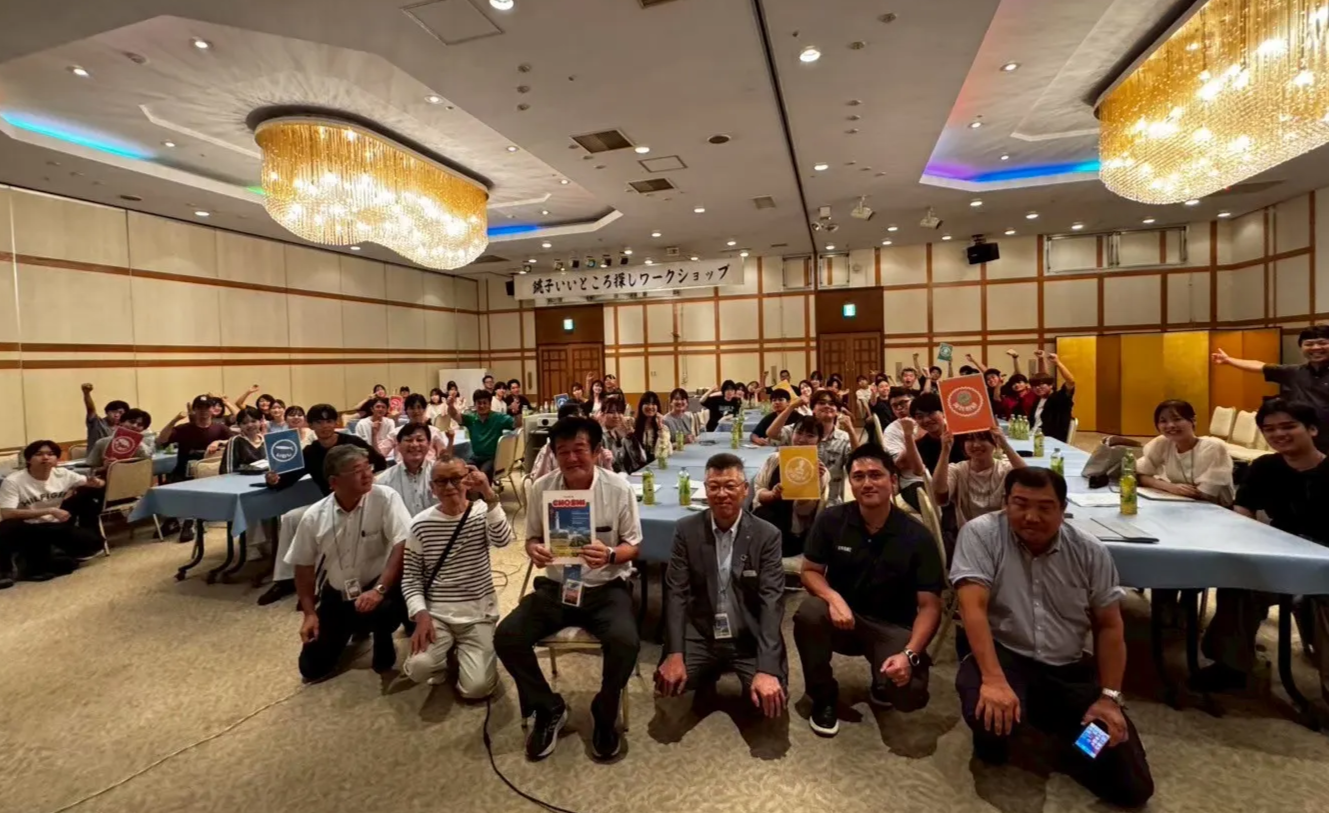
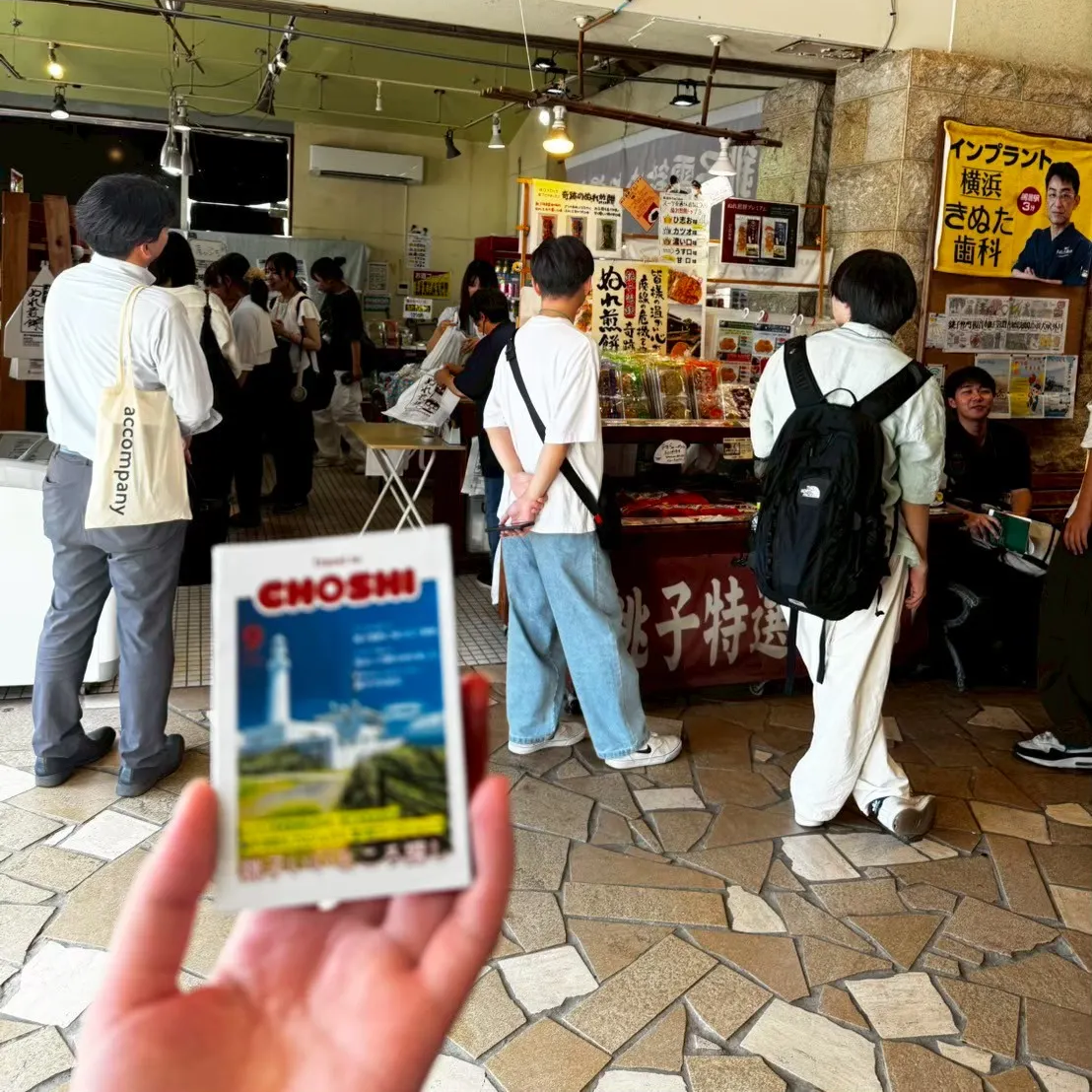
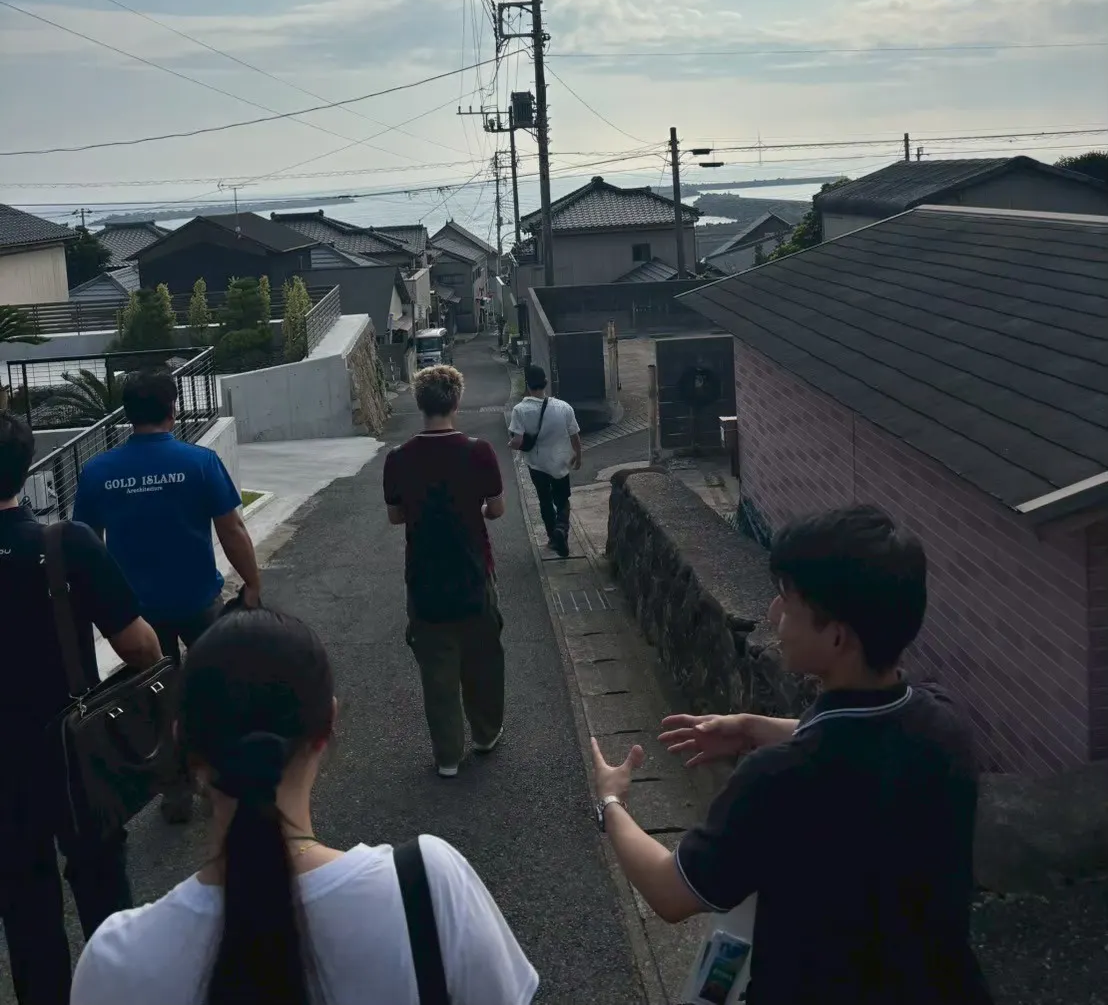
Since 2025 we have been working on a revitalization project with community members concerned about the future of Choshi — a region rich in resources yet facing population decline and an aging society.
Applying what we study about the psychological structure of value, the project aims to revitalize the Choshi region over the long term. Through ongoing fieldwork and workshops, local residents — especially younger ones — collaborate with university students from outside the region.
Following our earlier collaboration on the "VEIL" leg-washing gel (2022–2024), H&J Co., Ltd. entrusted our seminar with the complete design and setup of their booth at COSME Week Tokyo, held at Tokyo Big Sight on January 14–16, 2026. Members of Kogure Seminar (Saitama University) joined the team, and over six months from the summer break we held repeated meetings to develop the booth concept. Students arrived on site the day before, on the 13th, and participated directly in the installation.
Drawing on our study of consumer psychology, we designed the booth around a two-stage strategy: a device to catch the eye from a distance, and an experience that would stop visitors in their tracks once they approached. We mounted a large-scale model of H&J's flagship face mask on the company signboard to boost visibility across the hall, and conceived and implemented a new experiential exhibit called the "Lotion Fountain." The interior combined cherry-blossom motifs with fairy graphics, balancing H&J's brand image with visitor appeal.
The booth drew a record 719 visitors. Other exhibitors praised the students' ideas, noting that "the Lotion Fountain concept was innovative" and "the large model on the signboard stood out from far across the hall."
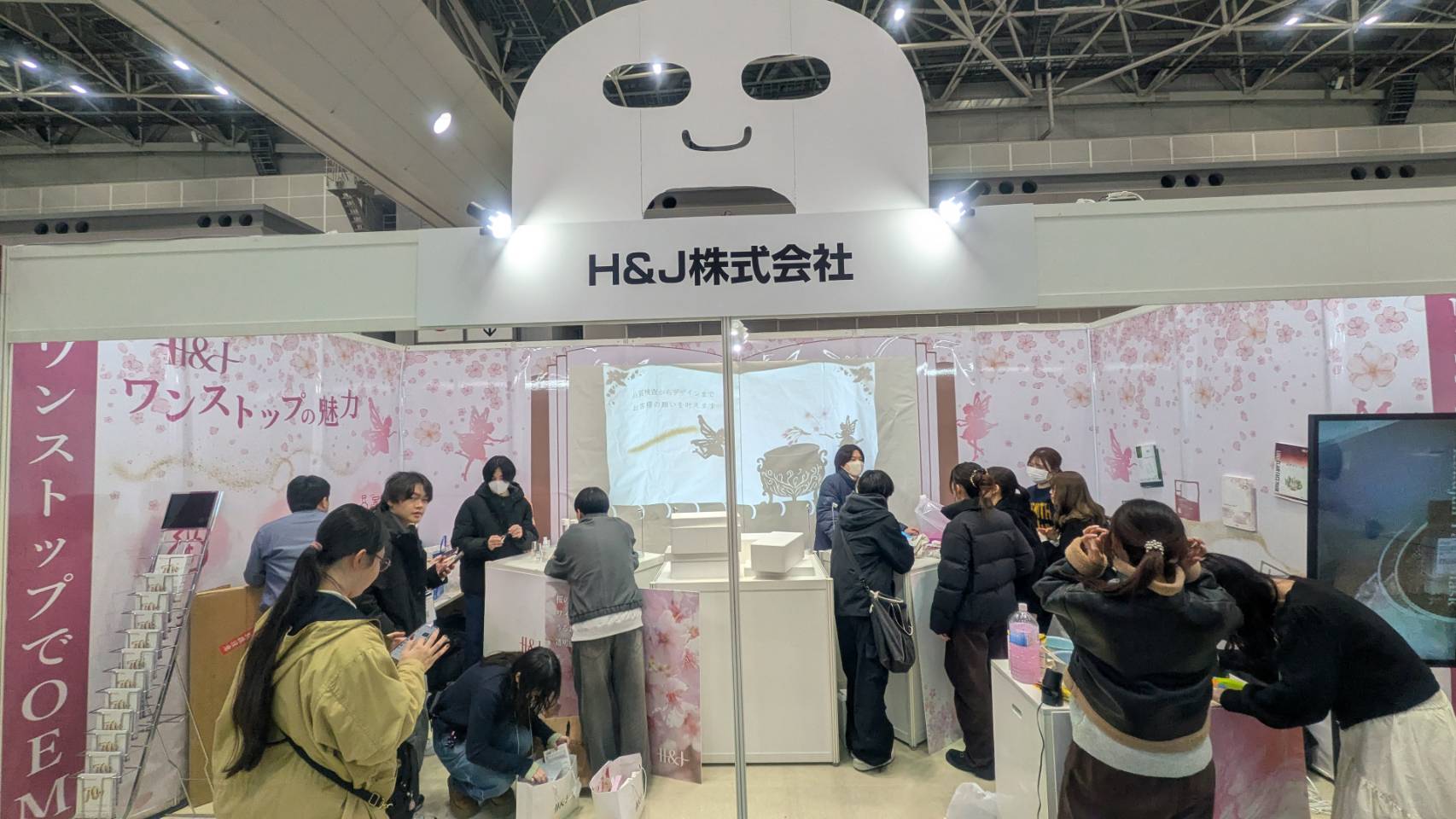
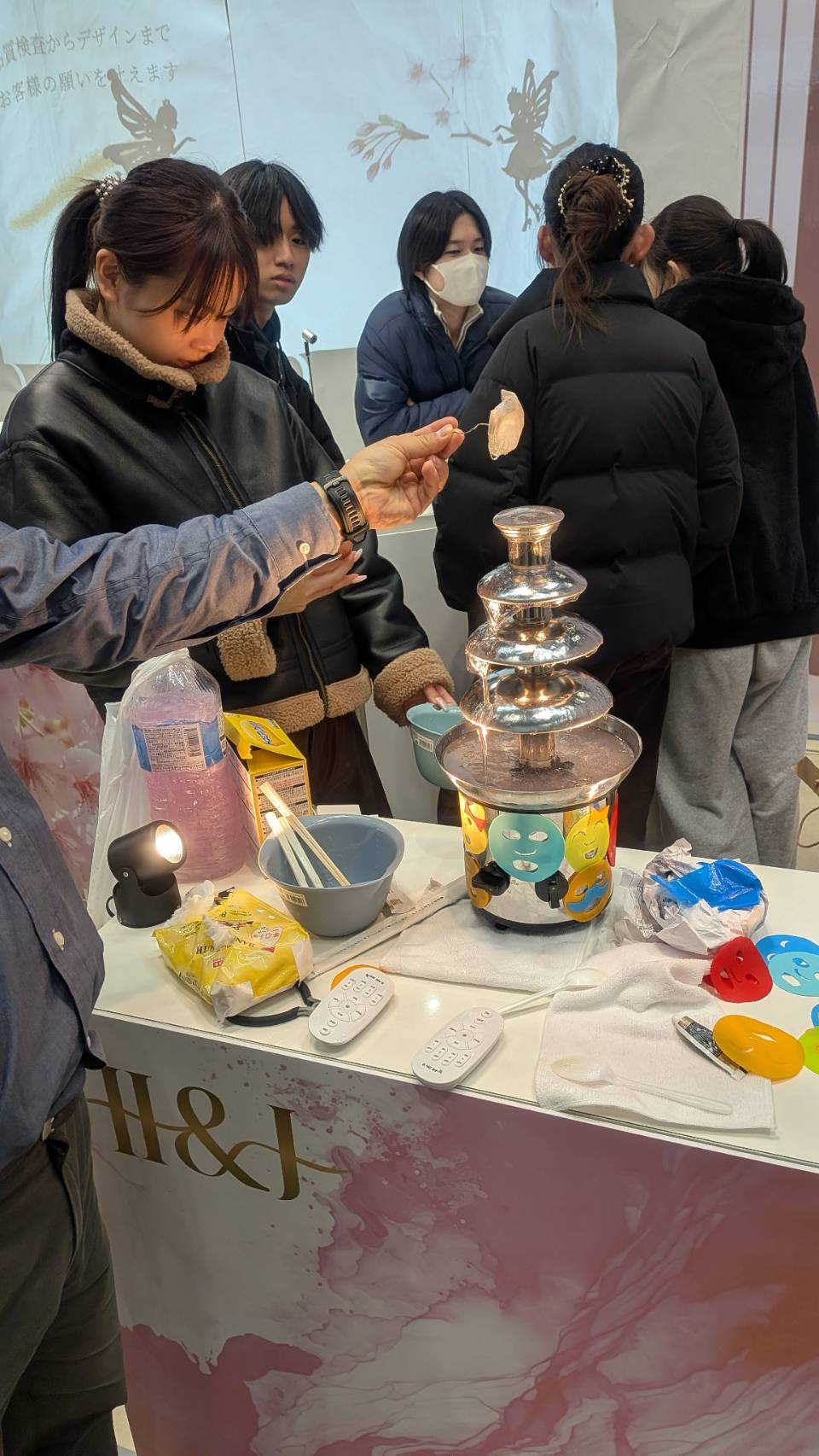
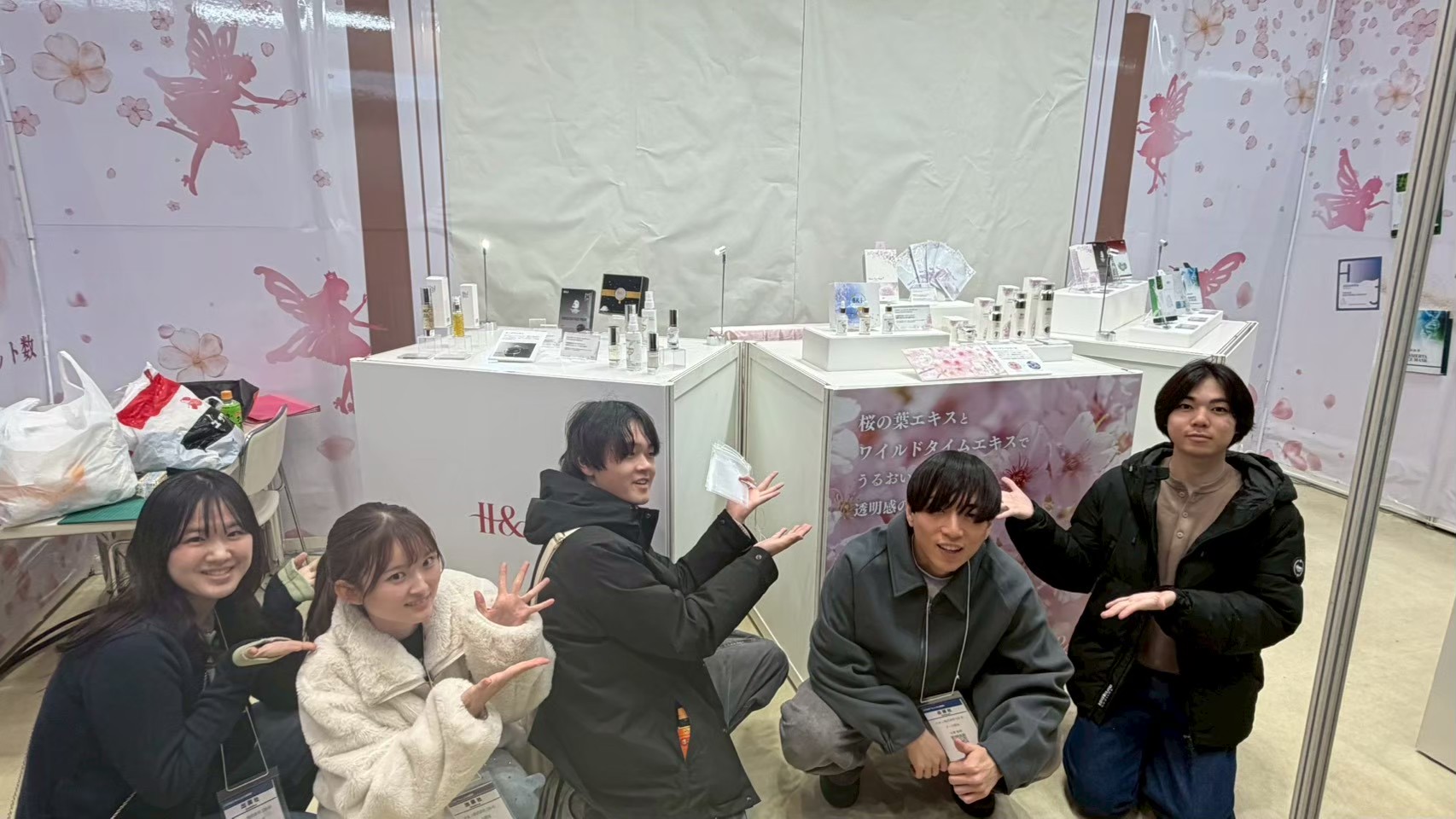
This project made me realize how fortunate I was in the people around me. Working for roughly eight months on a PR initiative for a Tokyo cosmetics company alongside members from another university was, at first, enormous pressure. Being strangers at the outset and working over such a long period created moments of doubt and uncertainty for me and for the team. What gradually dissolved those difficulties, I believe, was continuing to face each challenge from the fundamental question of "what are we doing this for?" — and maintaining mutual respect throughout. In the end we achieved a record 719 visitors, with many people stopping at our booth and offering praise. Amid heavy responsibility and considerable uncertainty, I had teammates who kept pushing forward, a professor who guided us, and a company that invested real money and a rare opportunity in us. I was genuinely fortunate in the people around me. This was a project through which I grew a great deal.
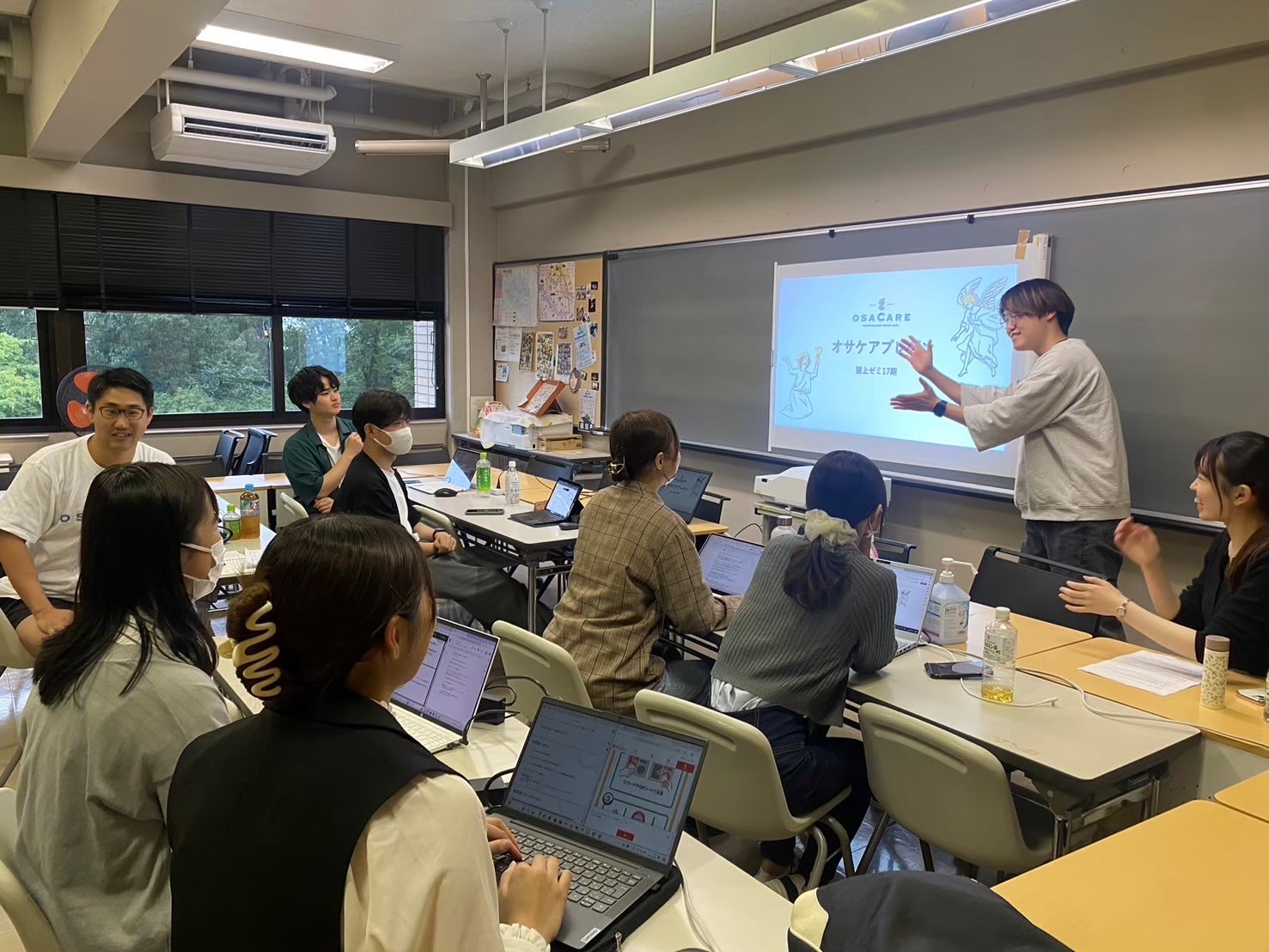
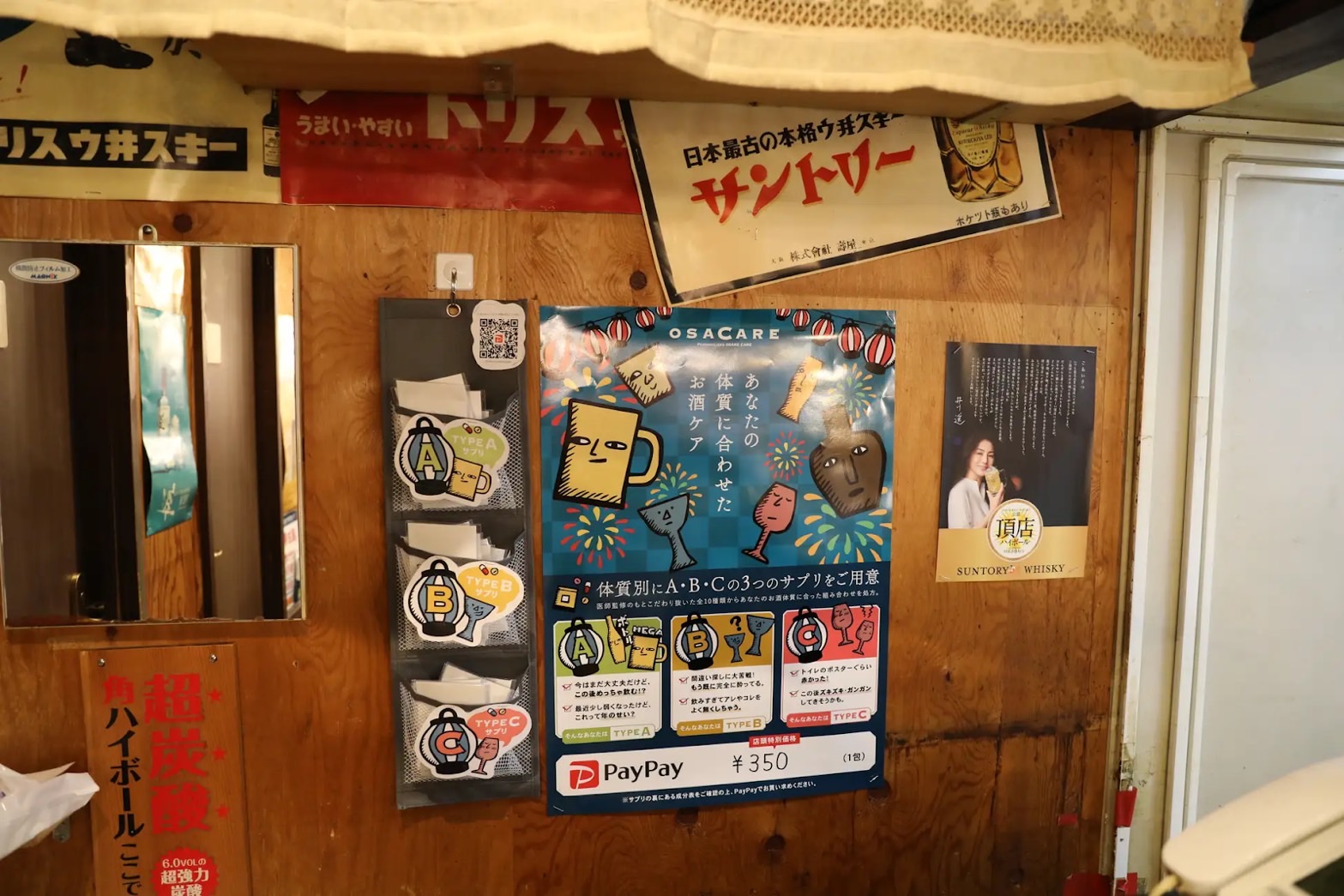
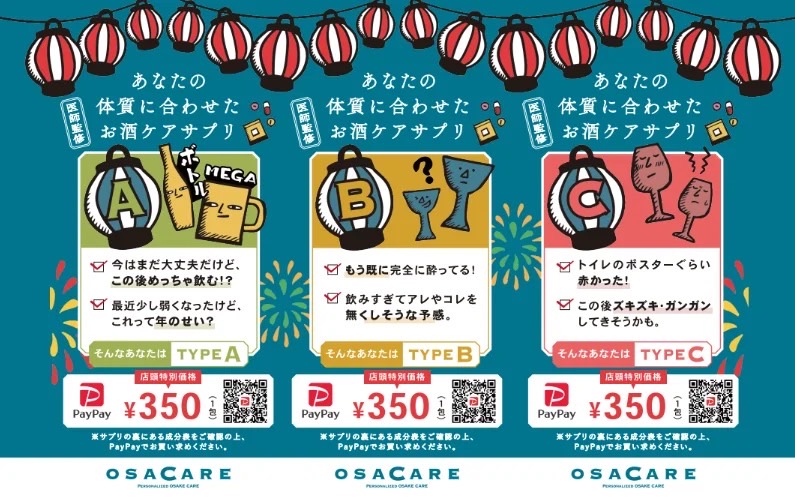
Over roughly one year from April 2024 to April 2025, we partnered with 2days Inc. to expand the sales channels for "OSACARE." Working from a student perspective, our goal was to help create a society in which everyone across Japan — from young people increasingly drinking less to older generations — can enjoy alcohol more.
Applying our study of consumer psychology, we worked step by step through target selection and promotional strategy for this distinctive new product. In Shibuya we deployed initiatives aimed at young people and international visitors; in Nishiarai, initiatives for older customers. The campaign exceeded its sales targets.
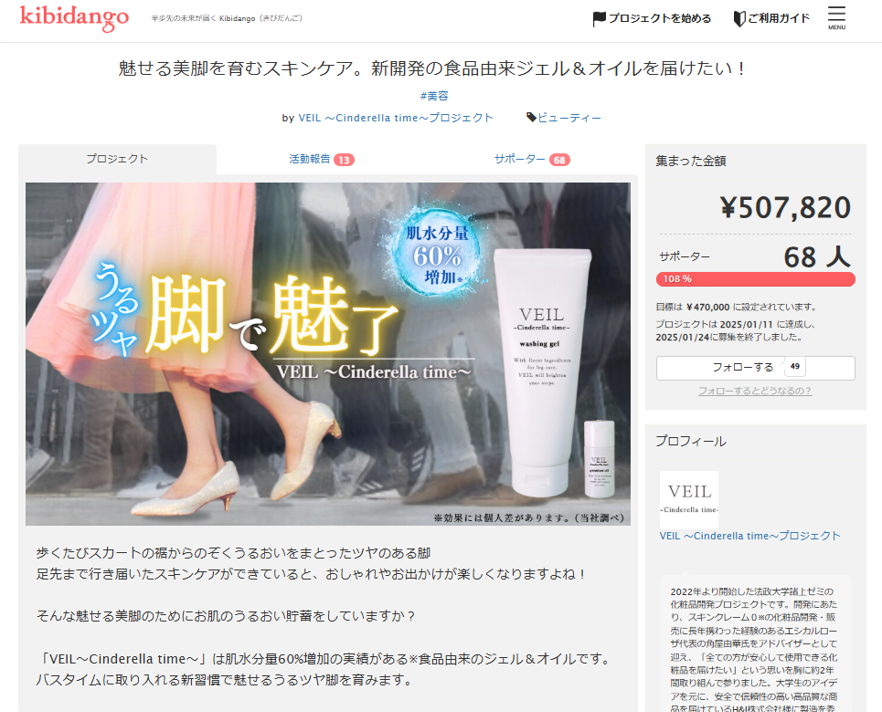
An ambitious two-year undertaking: not only developing a high-value product that leveraged H&J's technical strengths, but also raising the development funding itself through crowdfunding. Applying our study of consumer psychology, we developed a cosmetic product built on an entirely new interpretation of the problem, aimed at people troubled by dry skin on their legs.
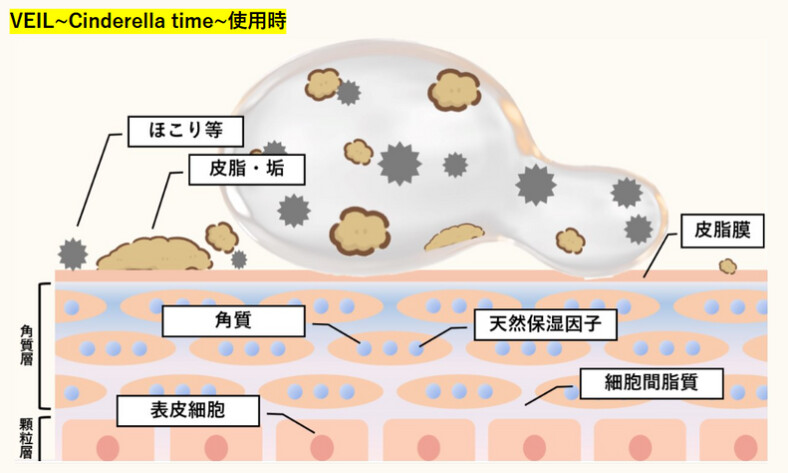
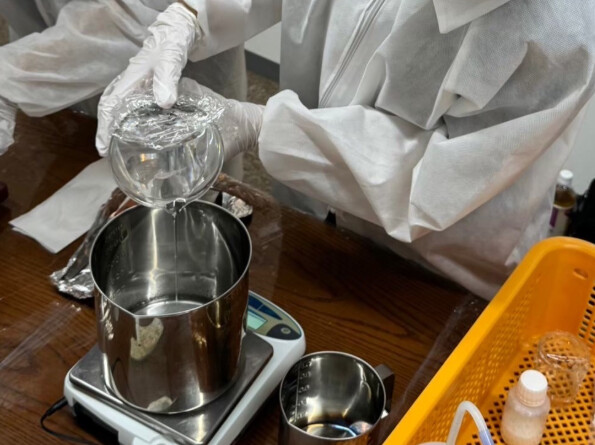
Our own research revealed that preventing skin dryness requires removing dirt while protecting the skin's barrier function — without using conventional cleansing agents. We arrived at tamarind seed gum, a fruit-derived ingredient, and through repeated prototyping with H&J developed a new gel that removes only dirt while leaving intact the sebum the skin barrier needs. After trial sessions at beauty salons, the product launched as "VEIL -Cinderella time-." A Kibidango crowdfunding campaign raised ¥507,820 from 68 backers, exceeding the target and successfully bringing the product to market.
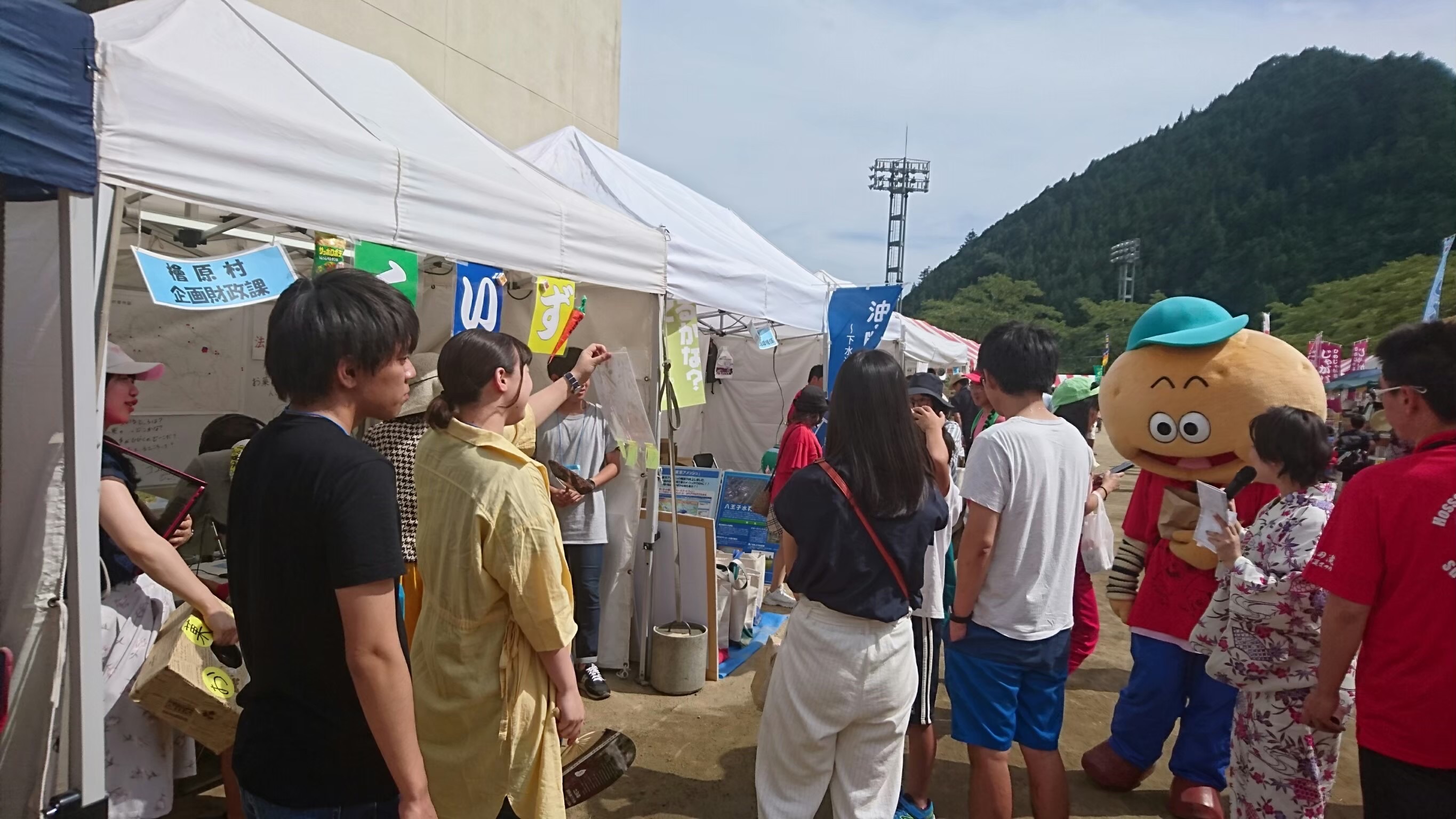
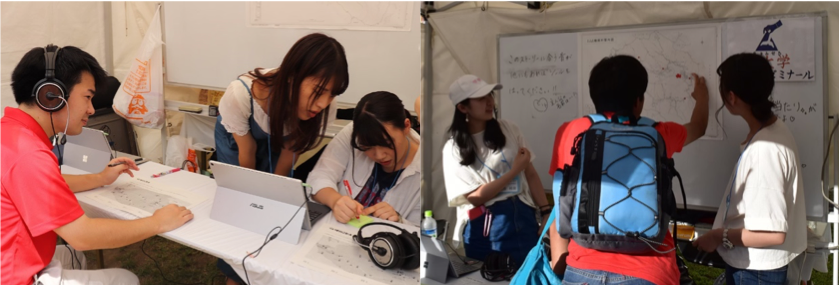
As part of Hinohara Village's branding initiative, we conducted research testing the effectiveness of story-marketing as a branding method. We ran a booth at the "Hossawa Falls Hometown Summer Festival," hosting an event with 159 participants, and conducted a consumer survey with 63 of them (junior high school age and above).
Participants who heard the story rated their intention to visit the village, their favorability toward it, and their likelihood of recommending it at 4.1–4.4 out of 5 — demonstrating the effectiveness of story-marketing for regional branding. The findings were compiled into a report and submitted to Hinohara Village, where they have informed subsequent branding initiatives.
To request a copy, please contact acc.morokami@gmail.com.
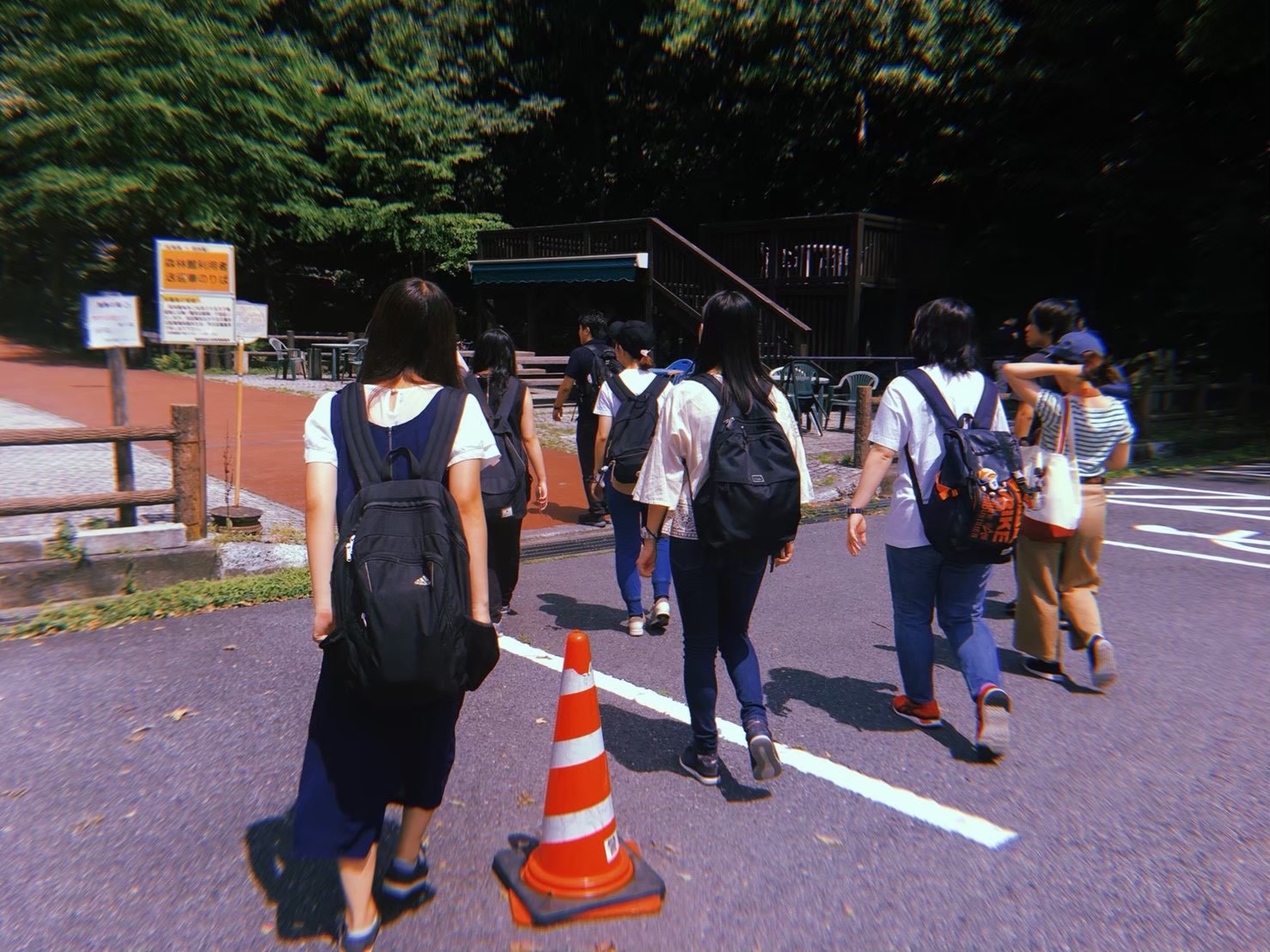
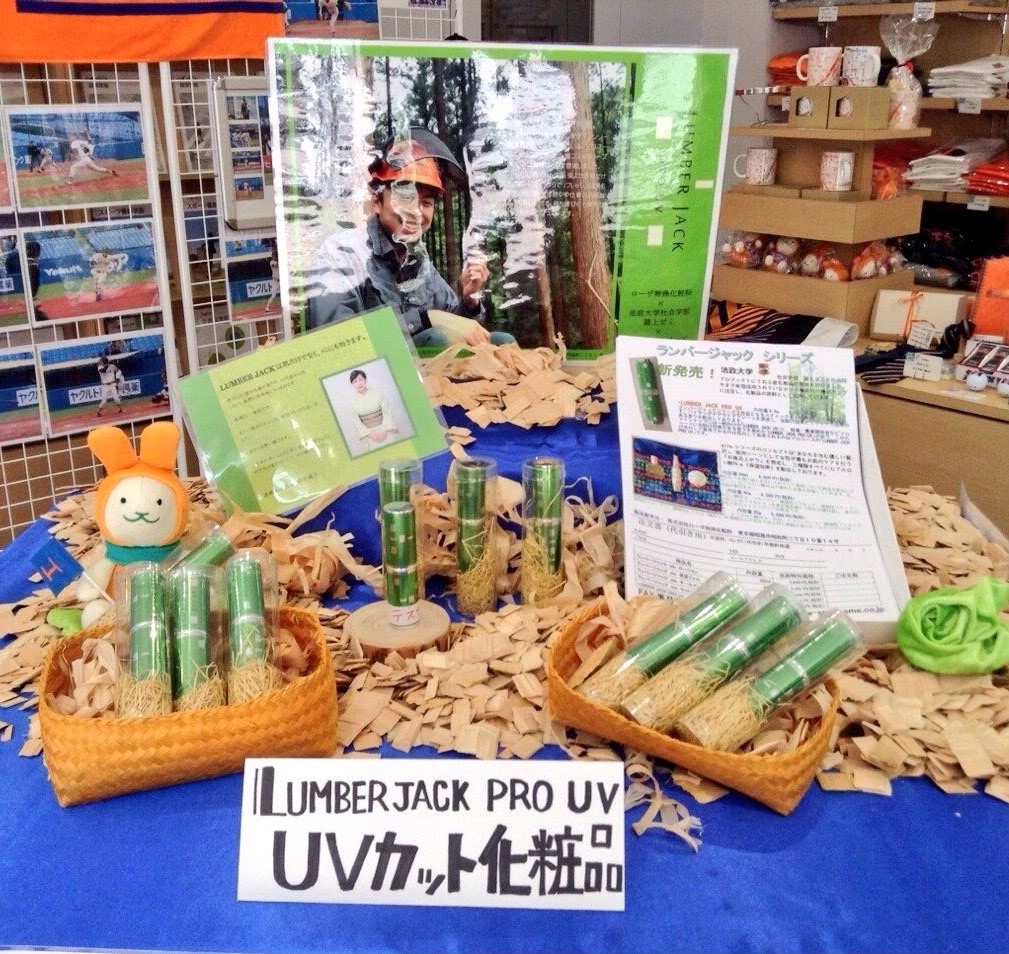
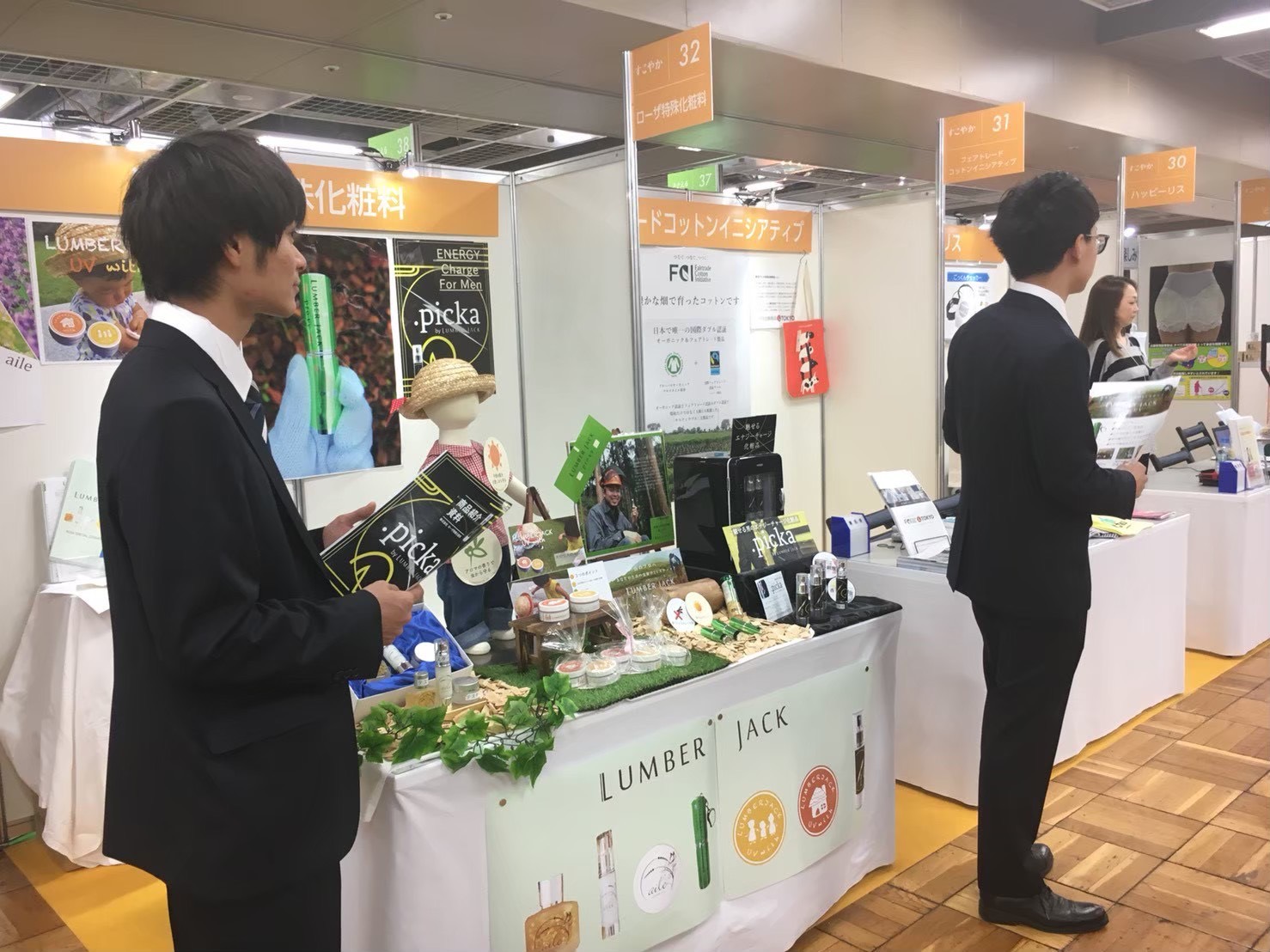
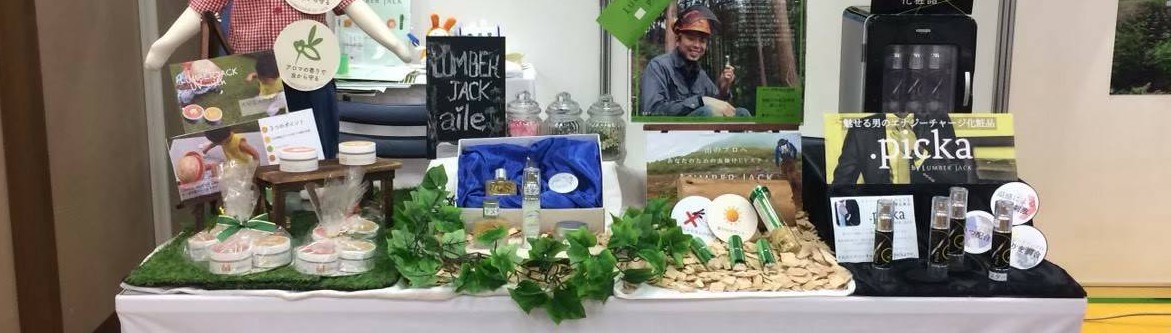
While studying consumer psychology and brand image, students worked on cosmetics development using local resources. To realize a local manufacturer's vision of creating cosmetics from Hinohara Village cypress, we were involved end-to-end — from product development through sales promotion planning.
Visiting the manufacturing site repeatedly to observe production, students proposed ideas for ingredients, fragrance, packaging, and more. Over four years, six products were developed: three items in the premium skincare line "aile," a sunscreen with insect-repellent ingredients for forestry and outdoor use ("LUMBER JACK UV PRO"), a powder-form sunscreen safe for households with small children ("LUMBER JACK UV with"), and "Picka," developed on the concept of a "topical energy drink" in cosmetic form. Students also gained sales experience through exhibitions such as the Tokyo Dome Regional Discovery Fair and radio broadcasts. Development and promotion work concluded in 2017, but the products remain on the market today.
Other Projects
- Sales channel expansion strategy for an environmental energy company
- New product development leveraging the brand strength of a food manufacturer
- Sales promotion support for femcare products
- New product development and sales promotion with a cosmetics company